The future of fashion doesn’t walk the runway.
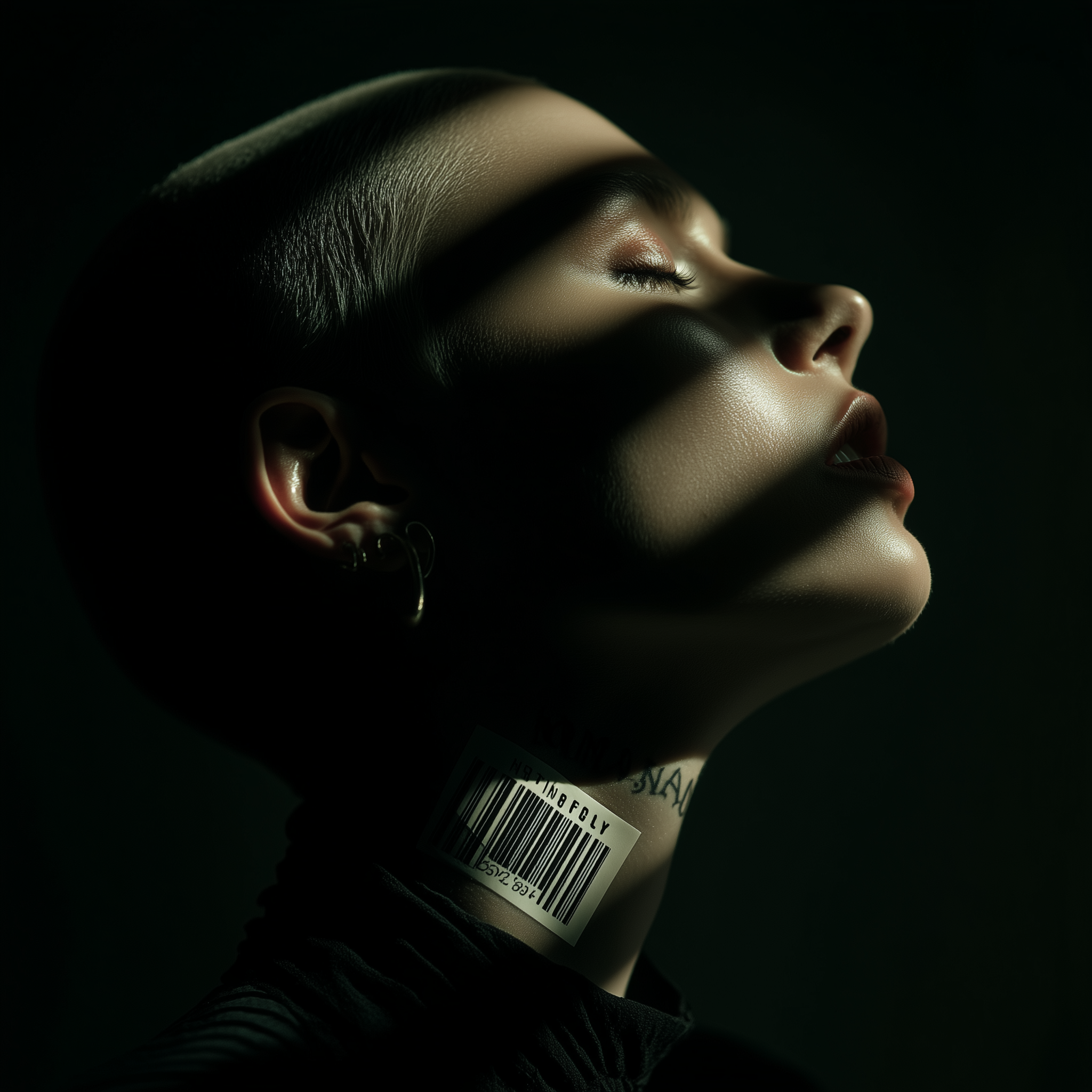
She’s rendered.
And she’s not blinking.
In 2025, the world’s most-followed models may never have taken a breath.
Welcome to the age of AI models—digitally generated influencers created not just to sell clothes, but to sell fantasies. H&M just launched AI twins of its own models. Some have been granted rights over their virtual clones. Others? They’re being replaced entirely.
What we’re seeing isn’t a photoshoot.
It’s a quiet revolution—where identity is duplicated, manipulated, and monetized.
Who Needs Skin When You Have a Brand?
Digital models don’t get tired.
They don’t need lunch breaks, hair stylists, or lighting crews. They don’t gain weight. They don’t get sick. They don’t age.
They exist to be perfect.
And for brands? That’s a dream with a download button.
AI-generated influencers like Shudu, Imma, or Lil Miquela aren’t just art projects anymore. They’re working. Getting paid. Booking jobs.
And now, with tools like Midjourney and Runway, anyone can create a model—then dress her in Gucci, send her to Tokyo, or have her sell protein powder on Instagram.
Need a Black model? A trans model? A wheelchair-using influencer?
Done. Rendered. Approved.
But here’s the scandal: Does diversity still count when it’s synthetic?
The Disappearing Human Behind the Face
Let’s get brutally honest.
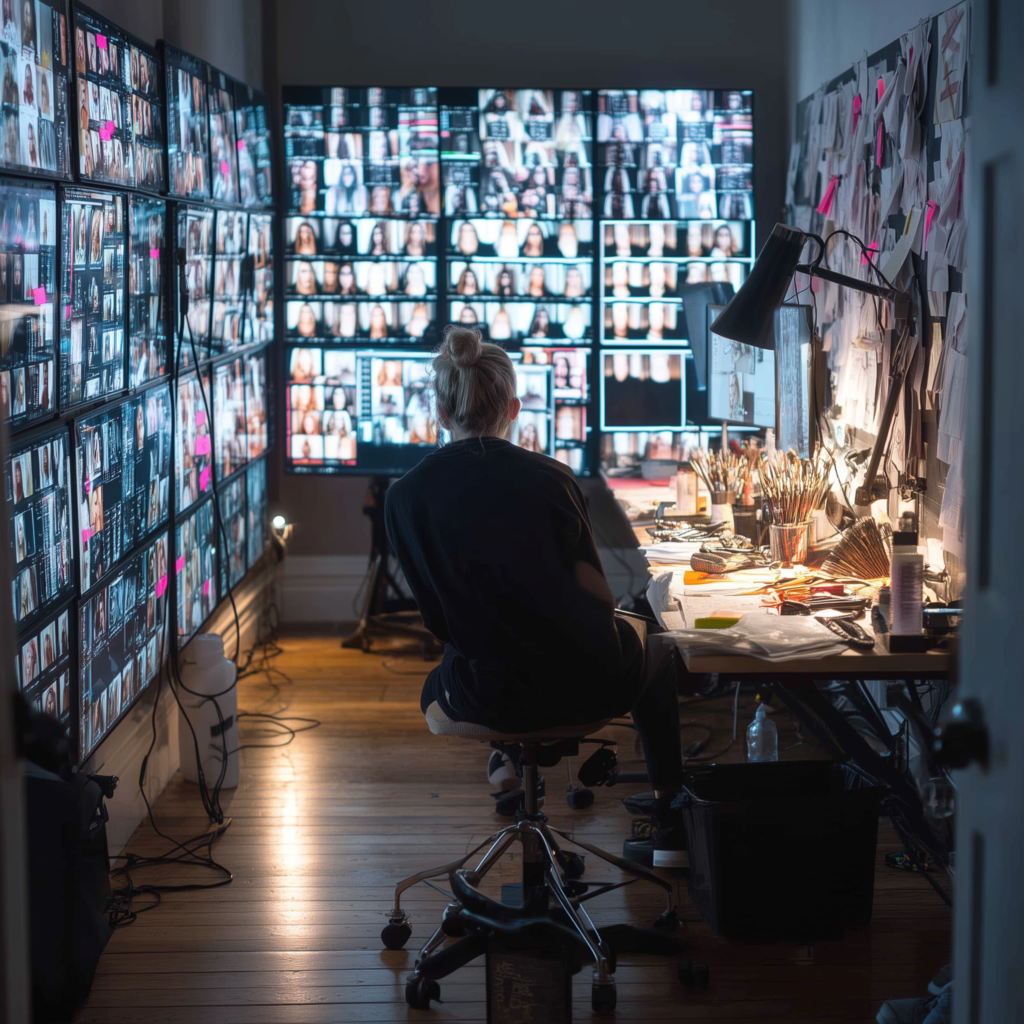
Behind every traditional model was a creative team—a photographer, a stylist, a lighting assistant, a makeup artist.
When brands switch to digital clones, that entire chain collapses.
It’s not just about the face.
It’s about who loses the paycheck.
Fashion’s always been cruel.
Now it’s just… efficient.
And that’s terrifying.
Beautiful, But Empty
AI models can be “empowered.”
But they don’t fight for workers’ rights.
They don’t demand better conditions on set.
They don’t bring real stories, traumas, or joy to the lens.
What they offer is a sanitized perfection.
A loop of forever-young faces posing in clothes they’ll never touch.
And the audience?
Most of us can’t even tell anymore.
Scroll. Double-tap. Repeat.
We’re not following humans.
We’re following the idea of a human.
Where We’re Headed: A Boutique of Digital Bodies
Imagine a future where agencies don’t sign people—they generate them.
Where a teenage girl’s competition isn’t another aspiring model, but a prompt written in a laptop.
Where bodies are not born—but bought.
H&M’s AI twins are only the beginning.
Tomorrow’s ads won’t ask who’s the model—they’ll ask who owns her code.
And maybe that’s the real scandal:
We’re creating models that can’t consent, can’t complain, and can’t connect.
They can only perform.
Final Line
Fashion is fake.
It always has been.
But what happens when the people become fake, too?
Wouldn’t it be wild to watch this shift unfold—or maybe even become part of it yourself?